

Connecting people: Attract and engage stakeholders
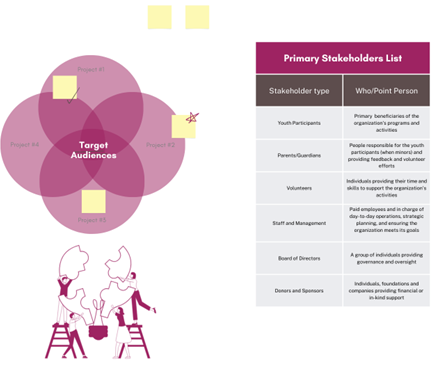
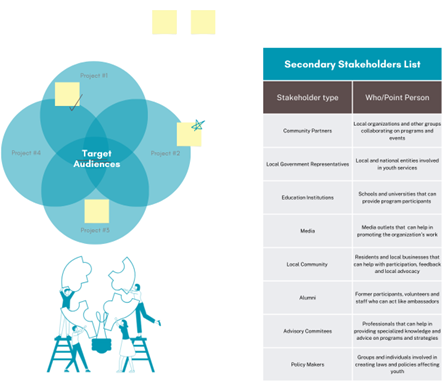
Stakeholders can significantly impact the success or failure of a project, initiative, or organization. Gaining their support and buy-in drives your YO forward. Let’s take a look at the primary stakeholders (directly impacted by our activities) and secondary stakeholders (indirectly impacted) one YO typically has. Pay attention to how each category contributes to your YO’s results.
How to get support from different stakeholders
Gaining support from different stakeholders requires a strategic and tailored approach. This guide will provide you with steps and strategies to effectively secure stakeholder support. What is certain in the life and work of a YO is that it has all sorts of stakeholders. They are all unique, different and have their own characteristics and role.
What is the best way to get this support – it is to engage, engage and engage! This means allocating time with the stakeholders, getting to know them and listening to them – their needs, desires, concerns, recommendations.
Get busy with mapping out of the stakeholders as the blueprint of your YO. After the mission and vision, it’s the stakeholders map that is your key guideline. The mapping is done by identifying all potential stakeholders, including those who have an interest or influence in your projects and YO. Categorize them based on their level of influence and interest. Only when we know well who the stakeholders (target audiences) are we can begin to plan the communication strategy of our YO.
Networking and cooperation with different stakeholders
Networking and cooperating with different stakeholders is crucial for the success of our YO’s projects.
After you’ve mapped out your stakeholders and categorized them by influence, interest and relevance to your YO, this information feeds into the communication strategy for outlining their characteristics, and preferences.
Let’s take a look at one practical example of how stakeholder engagement of a YO might look like:
- Direct beneficiaries (youth +) – Organize and involve young people in a community service project you manage, gather their feedback about it, and then highlight their experience and stories in newsletters, social media, and events.
- Local Community: Hold town hall meetings and community forums to gather input and address concerns regarding the public area for local youth initiatives.
- Local Authorities Officials: Schedule regular briefings and provide detailed reports to keep officials informed and included in your results, bottlenecks and project developments
- Staff: Conduct regular staff meetings and surveys to engage staff and volunteers and address their needs and suggestions.
- Funders/Donors: Provide detailed financial reports, host funders meetings, and ensure transparent communication about results, risks and opportunities.
- Various Partners: Establish collaborative working groups and joint planning sessions to align objectives and ensure mutual benefit.
By systematically identifying, understanding, and engaging with stakeholders, your YO can build strong relationships and secure the support needed to achieve its project or organizational goals. All of these examples are a part of your external communications strategy as purposeful strategic actions and events.